Where Water Becomes the Centerpiece: Ideas From Expert Water Feature Builders
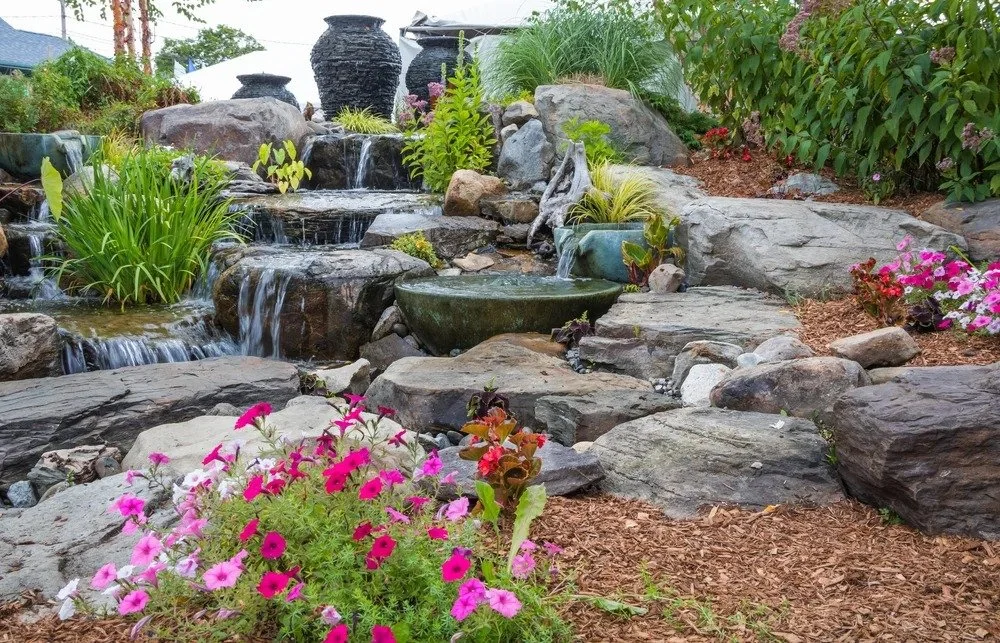
Experienced water features builders understand how to shape that experience around the way you use your property. In Menomonee Falls, WI, homeowners often look for water features that feel natural within the surrounding landscape while standing out as a defining focal point.
The right water feature changes the entire atmosphere of your backyard. The sound of moving water softens nearby traffic noise, introduces movement into the landscape, and gives the space a calmer rhythm throughout the day.
Choosing the Right Type of Water Feature
Every property supports a different approach to water design. The scale of the yard, existing elevation changes, surrounding plantings, and nearby outdoor living areas all influence the final layout.
Pondless waterfalls remain one of the most requested options for homeowners who want the sound and movement of water without a visible pond basin. Water disappears into a hidden underground reservoir and continuously circulates back through the waterfall system. This style fits naturally alongside patios, outdoor seating areas, and planting beds.
Reflecting ponds create a quieter, more architectural appearance. Still water introduces mirror-like reflections that shift throughout the day as sunlight changes. These installations often pair with formal landscape layouts, modern outdoor spaces, and custom lighting systems.
Streams and cascading waterfalls create stronger movement throughout the property. Natural boulders, varied elevation, and layered plantings give these features a more organic appearance that blends into wooded lots and larger backyards.
Fountains and bubbling rock features fit homeowners looking for a smaller focal point near entryways, courtyards, or patio spaces. These compact systems still introduce sound and movement while fitting into tighter footprints.
How Placement Shapes the Experience
Water features perform best when the surrounding environment supports the experience. Placement affects visibility, sound direction, drainage flow, and overall interaction with the rest of the property.
A waterfall positioned near a patio creates a stronger sensory experience during outdoor gatherings and quiet evenings outside. A stream viewed from interior windows extends the landscape experience throughout the year, including winter months when snow and ice reshape the feature’s appearance.
Our team studies elevation changes, nearby structures, existing trees, and traffic patterns before finalizing the layout. Water movement must feel natural within the landscape instead of appearing forced into the space. Proper grading and circulation planning also prevent drainage problems and maintain steady water flow through changing Wisconsin weather conditions.
Lighting also plays a major role in the final experience. Submersible lighting highlights moving water after dark while surrounding landscape lighting adds depth and texture around stonework and plant material.
Material Selection Defines the Character of the Feature
The materials surrounding a water feature influence whether the installation feels rustic, modern, formal, or heavily naturalized.
Natural boulders and irregular stone edges create a more organic appearance that resembles native Wisconsin waterways. Layered moss rock, weathered limestone, and larger outcropping stone give waterfalls stronger visual depth and more dramatic water movement.
Cut stone and smooth edging produce a cleaner appearance that complements contemporary architecture and geometric outdoor layouts. Dark gravel beds, linear spillways, and symmetrical water basins reinforce a more modern style.
Plant selection also contributes heavily to the finished appearance. Ornamental grasses, evergreens, flowering perennials, and aquatic plantings soften transitions between stone and water while creating seasonal variation throughout the landscape.
A Collaborative Design Process That Keeps the Landscape Cohesive
A custom water feature should feel connected to the rest of the property rather than separated from it. Our specialists design water features as part of the broader outdoor environment, considering surrounding patios, retaining walls, lighting, planting beds, and circulation paths together.
During the planning process, our team evaluates how the water feature interacts with nearby gathering areas, existing drainage patterns, and long-term landscape growth. Detailed discussions about sound levels, viewing angles, maintenance preferences, and seasonal appearance guide the design direction from the beginning.
Construction also requires careful coordination. Excavation, underground plumbing, pump systems, electrical integration, stone placement, and grading all influence the final performance of the feature. Experienced installation crews understand how to balance water flow, conceal mechanical components, and shape natural-looking transitions throughout the landscape.
The finished result creates more than visual interest. Water introduces movement, atmosphere, and a stronger connection between the landscape and the way you experience your backyard each day.