
5 Landscape Considerations That Can Make or Break a Commercial Build Timeline
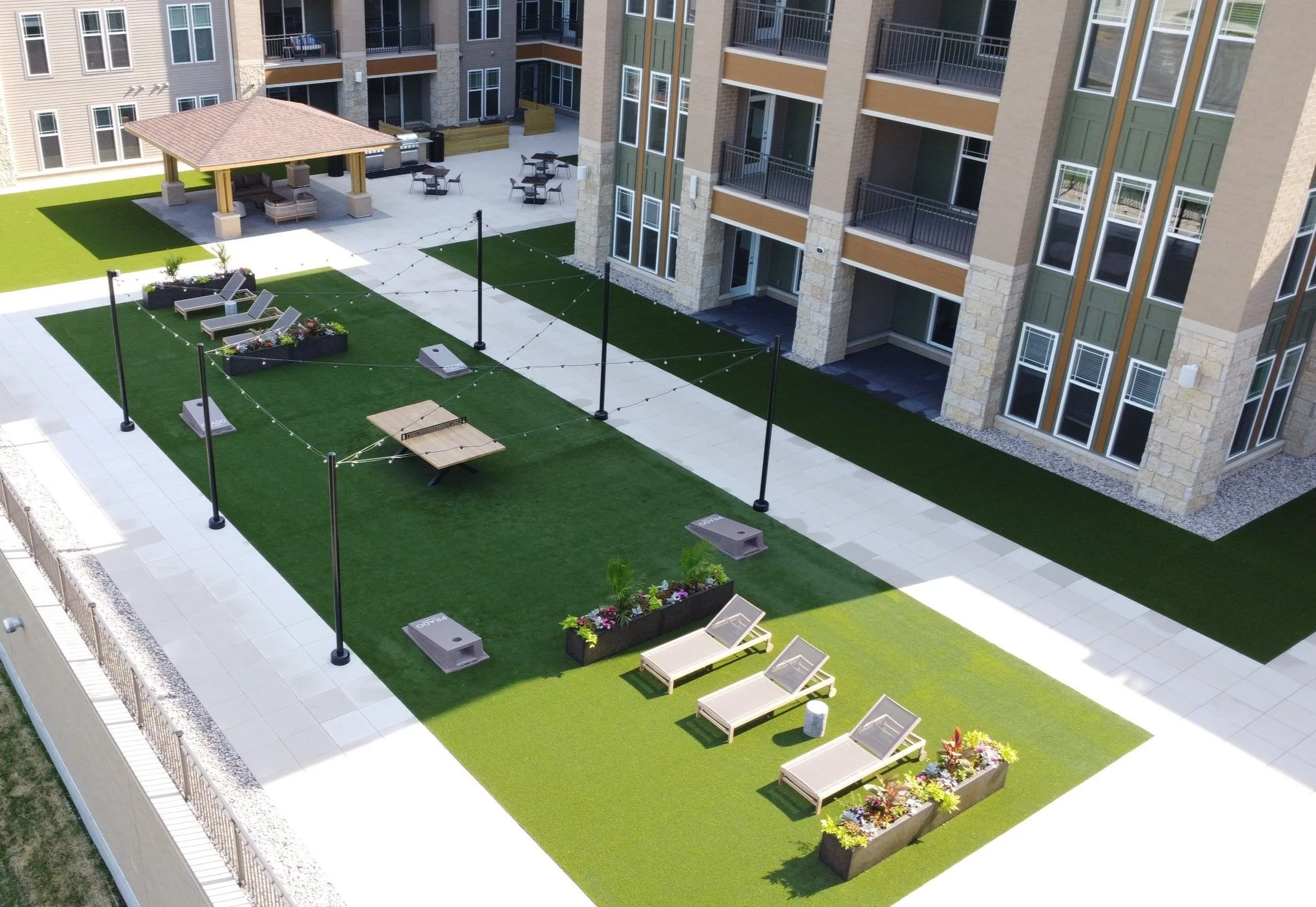
When it comes to commercial construction, every detail matters and the landscape is no exception. Often underestimated or left as a final step, landscaping can significantly impact a project’s overall timeline, budget, and client satisfaction. For general contractors aiming to deliver polished projects on time and within scope, landscaping must be part of the conversation from the start.
Here are five key landscape considerations that can make or break your commercial build timeline:
1. Site Access and Logistics
Before the first shovel hits the ground, it’s critical to coordinate how landscaping will fit into your site logistics. Will landscape crews have access when needed, or will other trades block the way? Are there staging areas for materials like soil, pavers, or plant stock? Poor access planning can lead to delays, damage to completed work, or safety risks.
Pro Tip: Involve your landscape contractor early to map out access routes and plan around key construction phases.
2. Underground Utilities and Grading Conflicts
Landscape installation often involves digging—whether for irrigation, lighting, or planting. If utility lines aren’t clearly marked or grading changes occur without landscape coordination, you could be in for costly rework. Plus, mismatched grades between hardscape and surrounding surfaces can create drainage issues or ADA compliance problems.
Pro Tip: Hold coordination meetings between landscape, civil, and GC teams during the early sitework phase to catch conflicts early.
3. Long Lead Times for Materials and Plants
Just like other trades, landscaping is feeling the effects of material shortages and plant availability issues. Specialty pavers, mature trees, or custom lighting may have longer lead times than expected. Waiting until the end of the project to source these can push your delivery date back.
Pro Tip: Collaborate on your landscape plan during the design phase to identify long-lead items and get them ordered ahead of time.
4. Seasonal Timing and Weather Dependencies
Unlike many interior trades, landscaping is highly weather dependent. Frozen ground, heavy rains, or high heat can impact planting, paving, and turf installation. If the timeline pushes landscape work into an unfavorable season, you risk delays—or worse, plant material that doesn’t establish properly.
Pro Tip: Build some seasonal flexibility into your schedule and plan “early install” tasks where possible, like irrigation rough-ins or tree plantings.
5. Final Inspection and Occupancy
Here’s one that often catches GCs off guard: many municipalities require landscape installation to be complete—or at least bonded—before issuing final approvals or occupancy permits. If the landscaping isn’t ready, your client might not be able to open on schedule.
Pro Tip: Understand your municipality’s landscape requirements early and include them in your close-out checklist.
Bottom Line
Landscaping isn’t just the final touch, it’s a key part of your project’s critical path. When considered early and planned properly, it enhances the look, functionality, and success of your build. But when left as an afterthought, it can become a source of costly delays.
At Villani Landshapers, we specialize in partnering with general contractors to keep timelines on track and outdoor spaces looking sharp from day one. Let’s coordinate early, your schedule will thank you.