
Best Flowers and Vegetables for Early Spring in Wisconsin
Spring in Wisconsin can be unpredictable, with lingering cold snaps and late-season frosts. However, that doesn’t mean you have to wait until summer to start planting! There are plenty of cold-hardy flowers and vegetables that thrive in early spring and bring beauty and fresh produce to your landscape. Here are some of the best choices:
Flowers for Early Spring Planting
Crocus – One of the first signs of spring, crocuses bloom even when snow is still on the ground. These perennial flowers add vibrant splashes of purple, yellow, and white to your garden.
Pansies – These cheerful flowers tolerate chilly temperatures and even light frost, making them a great choice for early spring color.
Daffodils – Hardy and low-maintenance, daffodils come back year after year and can withstand Wisconsin’s fluctuating spring temperatures.
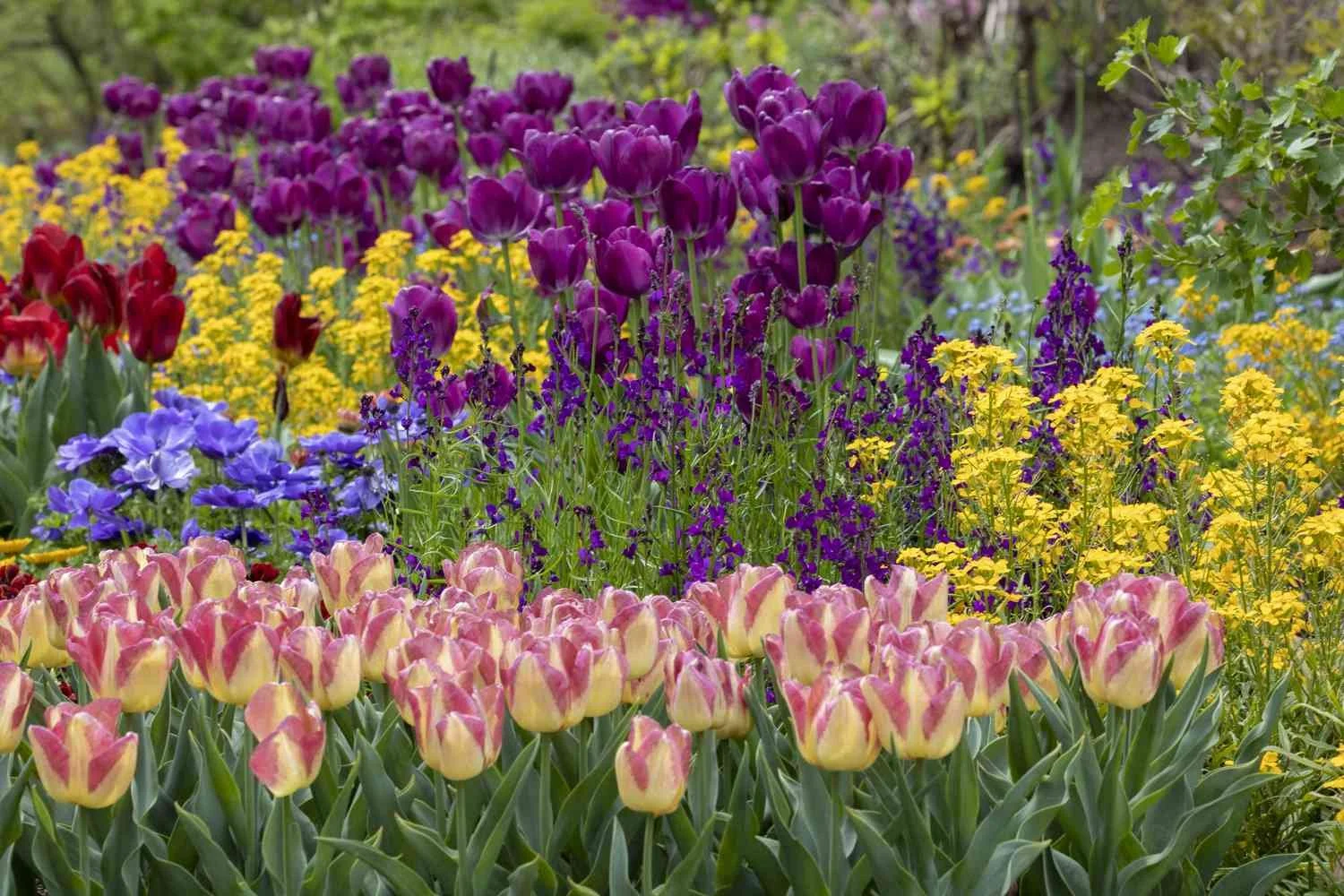
Tulips – Though planted in the fall, tulips bloom beautifully in early spring, adding elegance to any garden bed.
Primrose – These bright, low-growing flowers thrive in cooler temperatures and provide early-season nectar for pollinators.
Vegetables for Early Spring Planting
Spinach – This nutrient-dense leafy green can be planted as soon as the soil is workable and grows well in cool temperatures.
Lettuce – A perfect early spring crop, lettuce varieties like Romaine and Butterhead can tolerate frost and mature quickly.
Peas – Snap peas, snow peas, and shelling peas thrive in the cool weather of early spring and are ready for harvest before the summer heat arrives.
Radishes – These quick-growing root vegetables are perfect for early planting and can be harvested in as little as three weeks.
Carrots – Hardy and resilient, carrots prefer cooler weather and develop their best flavor when grown in early spring.
Kale – This cold-hardy superfood can withstand frost and even tastes sweeter when exposed to cooler temperatures.
Onions – Both green onions and bulb onions can be planted early and will develop well in cool weather.
Tips for Early Spring Planting in Wisconsin
Prepare Your Soil Early – As soon as the ground is thawed and dry enough to work, enrich it with compost or organic matter to provide nutrients for early crops.
Use Row Covers or Cold Frames – These help protect tender plants from unexpected frosts and extend your growing season.
Mulch for Warmth – Adding a layer of mulch can help retain soil warmth and moisture.
Choose Cold-Hardy Varieties – Always select plants labeled as frost-resistant or suited for early planting in northern climates.
With the right flowers and vegetables, you can jumpstart your garden and enjoy an early bounty of color and fresh produce. Embrace the season and make the most of Wisconsin’s cool spring temperatures with these resilient plant choices!